
LIVESTOCK – AN OVERVIEW
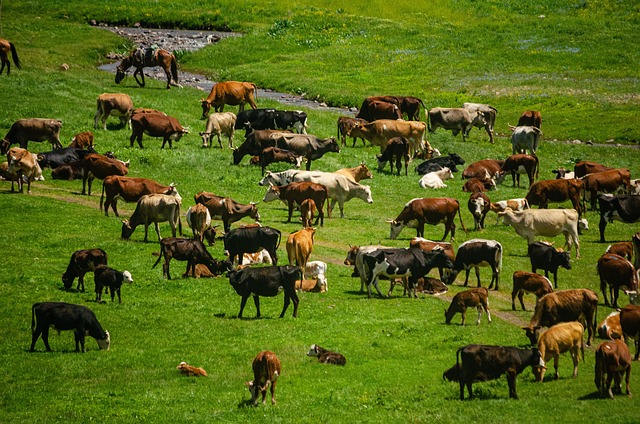
Livestock play a significant role in sustainable food systems for an example, manure is a critical source of natural fertilizer
The livestock sector is a pillar of the global food system and a contributor to poverty reduction, food security and agricultural development. According to the FAO, livestock contributes 40% of the global value of agricultural output and supports the livelihoods and food & nutrition security of almost 1.3 billion people accross the world. At the same time, there is wide scope to improve livestock sector practices so that they are more sustainable and pose less risk to animal & human health.
At present, around 500 million pastoralists rely on livestock herding for food, income, and as a store of wealth, collateral or safety net in times of need.
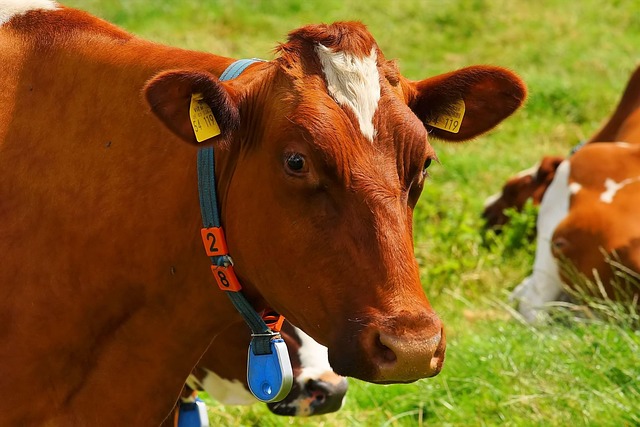
Livestock play a significant role in sustainable food systems—for an example, manure is a critical source of natural fertilizer, while livestock used as draft animals which can help boost productivity in regions where there is less mechanization. Livestock are important assets for vulnerable communities worldwide. At present, around 500 million pastoralists rely on livestock herding for food, income, and as a store of wealth, collateral or safety net in times of need. Locally, livestock production systems have the potential to contribute to the preservation of biodiversity and to carbon sequestration in soils and biomass. In harsh environments, such as mountains and drylands, livestock is often the only way to sustainably convert natural resources into food, fiber, source of energy and work power for local communities, Nomeids and shepherds.